3x Faster Than Typing
Speak 150+ words per minute vs 40 wpm typing. Finish tasks in a third of the time.

Document APIs as fast as you can explain them
Read this example aloud, or say something of your own.
Your voice. Right where you work.
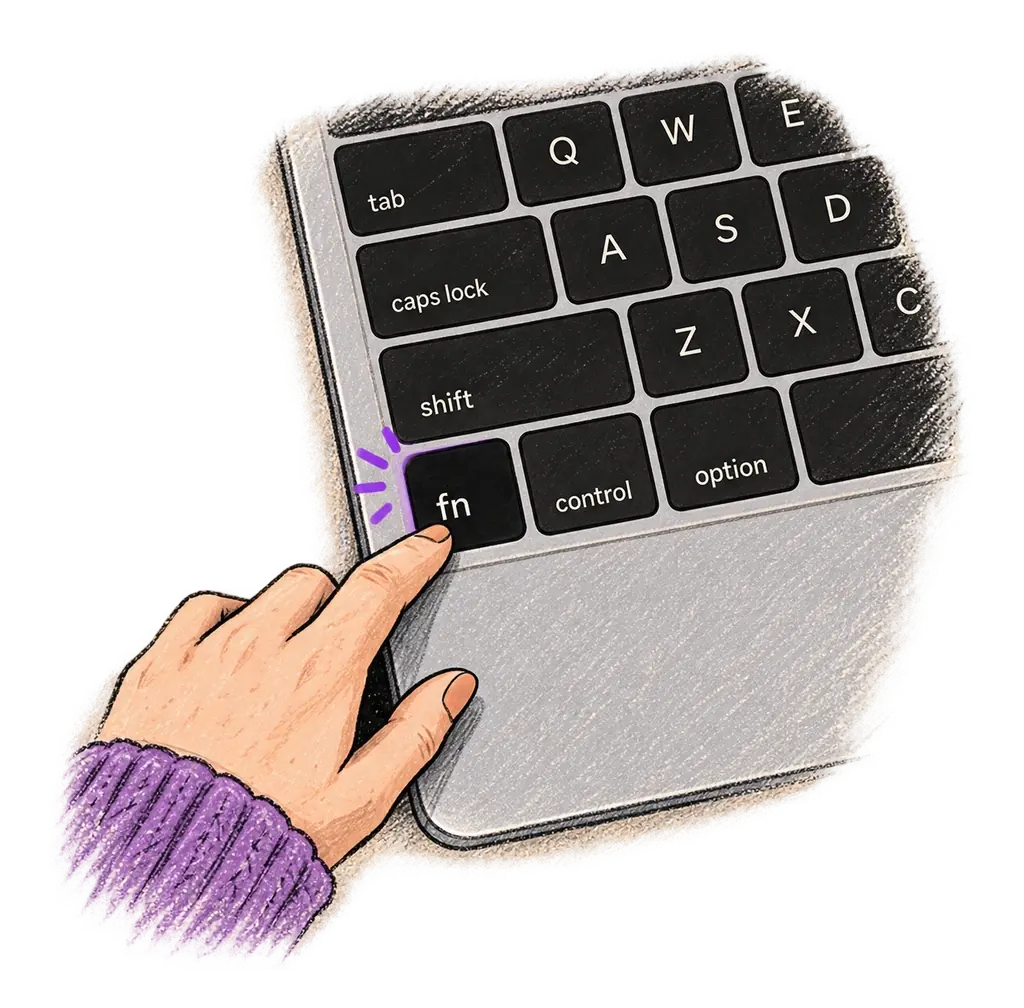
Place your cursor in any app, then hold the Fn key.
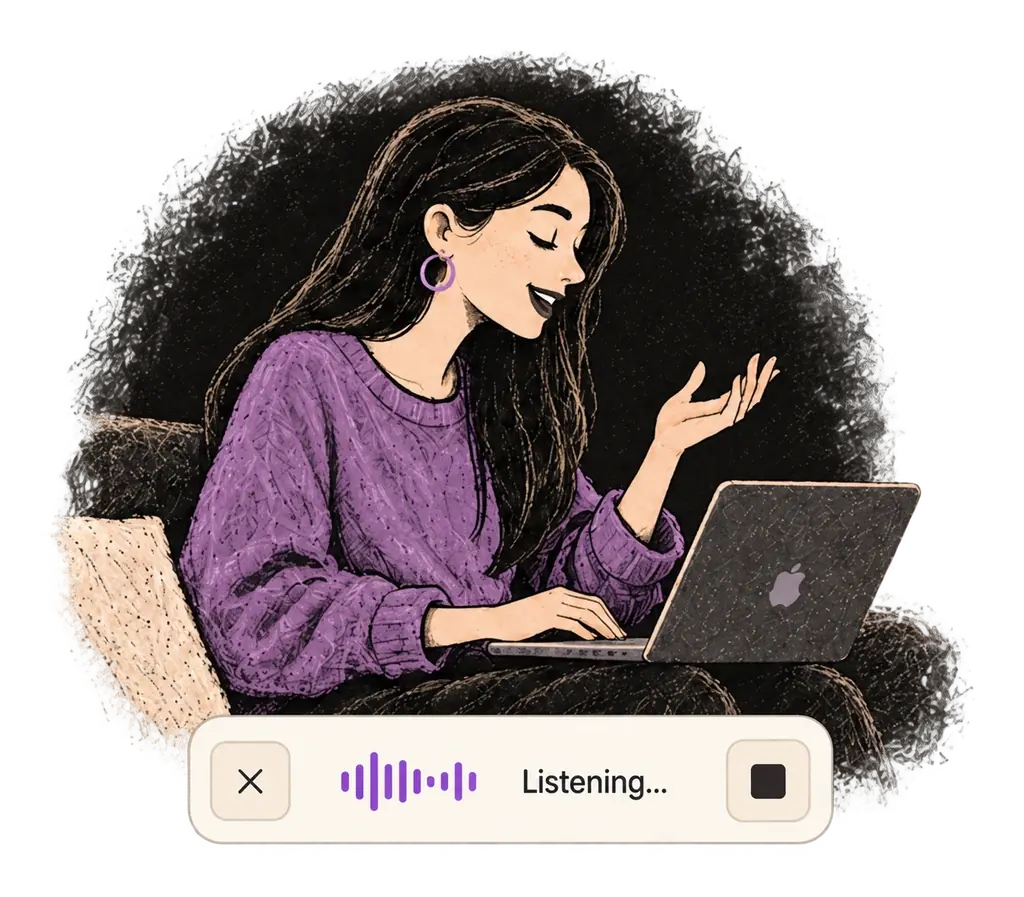
Say what you want to write. Ottex follows your saved writing rules.
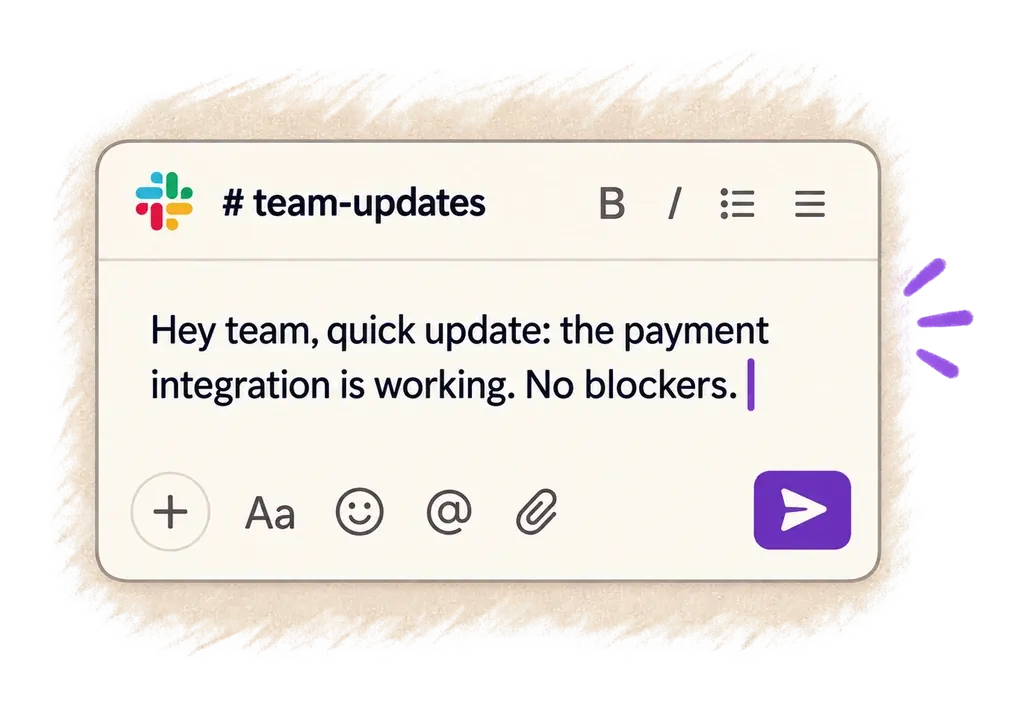
Your text appears right where your cursor is.
Ottex works system-wide on macOS. Dictate directly into these apps and more.
And any other app that accepts text input. See all supported apps
Concrete benefits with real-world impact
Speak 150+ words per minute vs 40 wpm typing. Finish tasks in a third of the time.
Speaking naturally gives AI agents more context than typing. Describe your intent, explain edge cases, mention file names—your voice carries nuance that typing shortcuts.

Cloud AI models excel at technical jargon, code terminology, and specialized vocabulary.
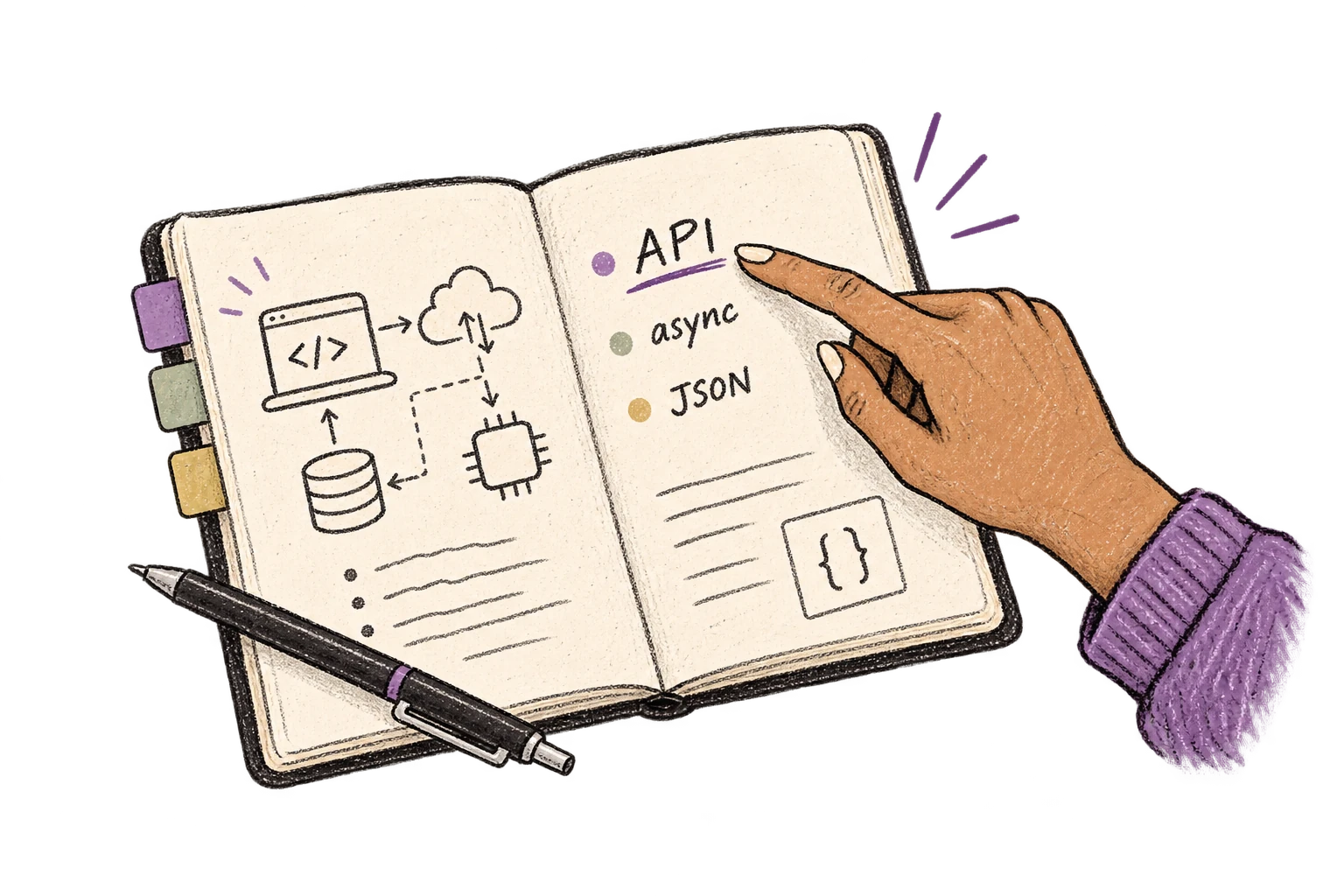
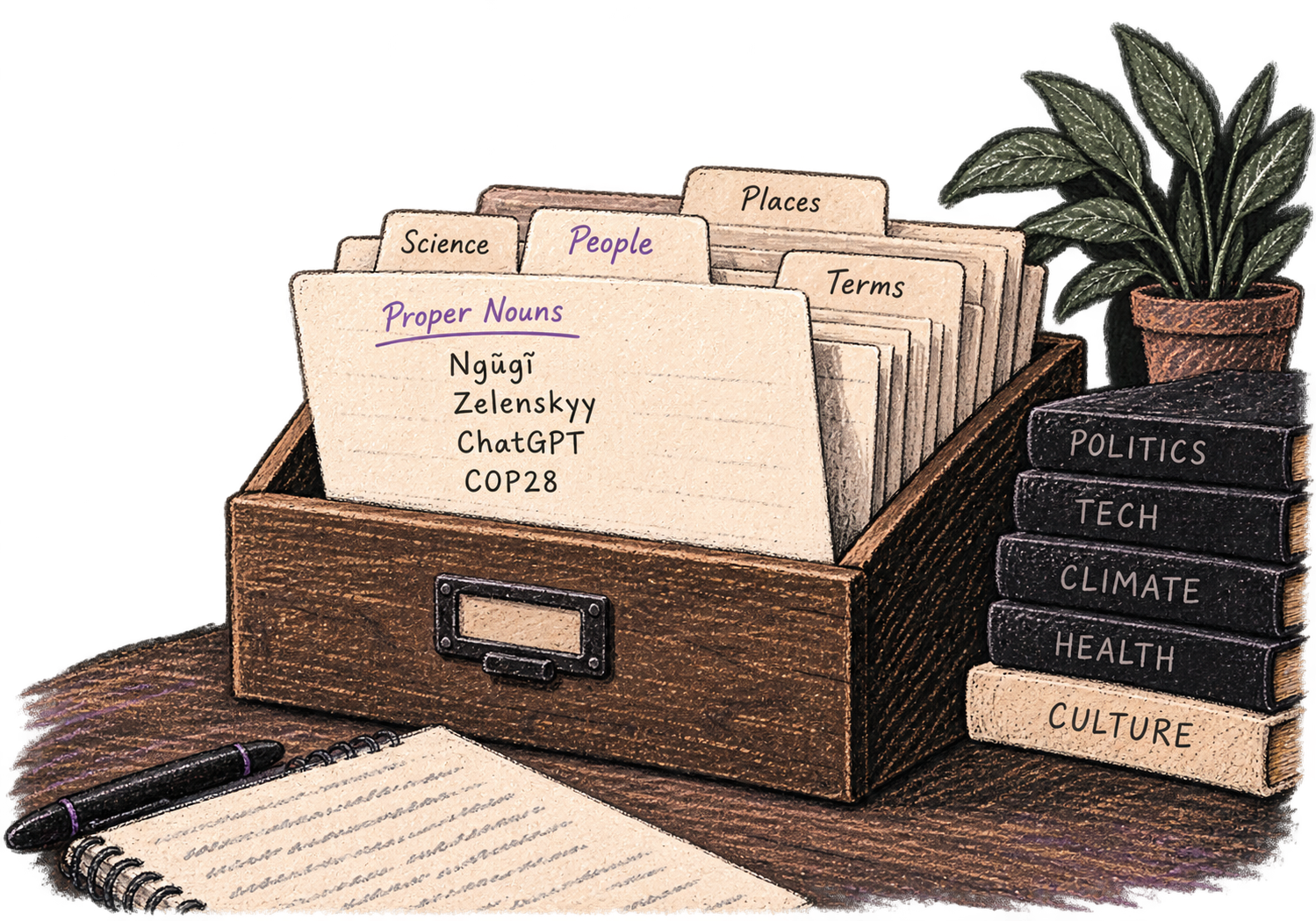
Add names, technical terms, and jargon. Ottex transcribes them accurately every time.
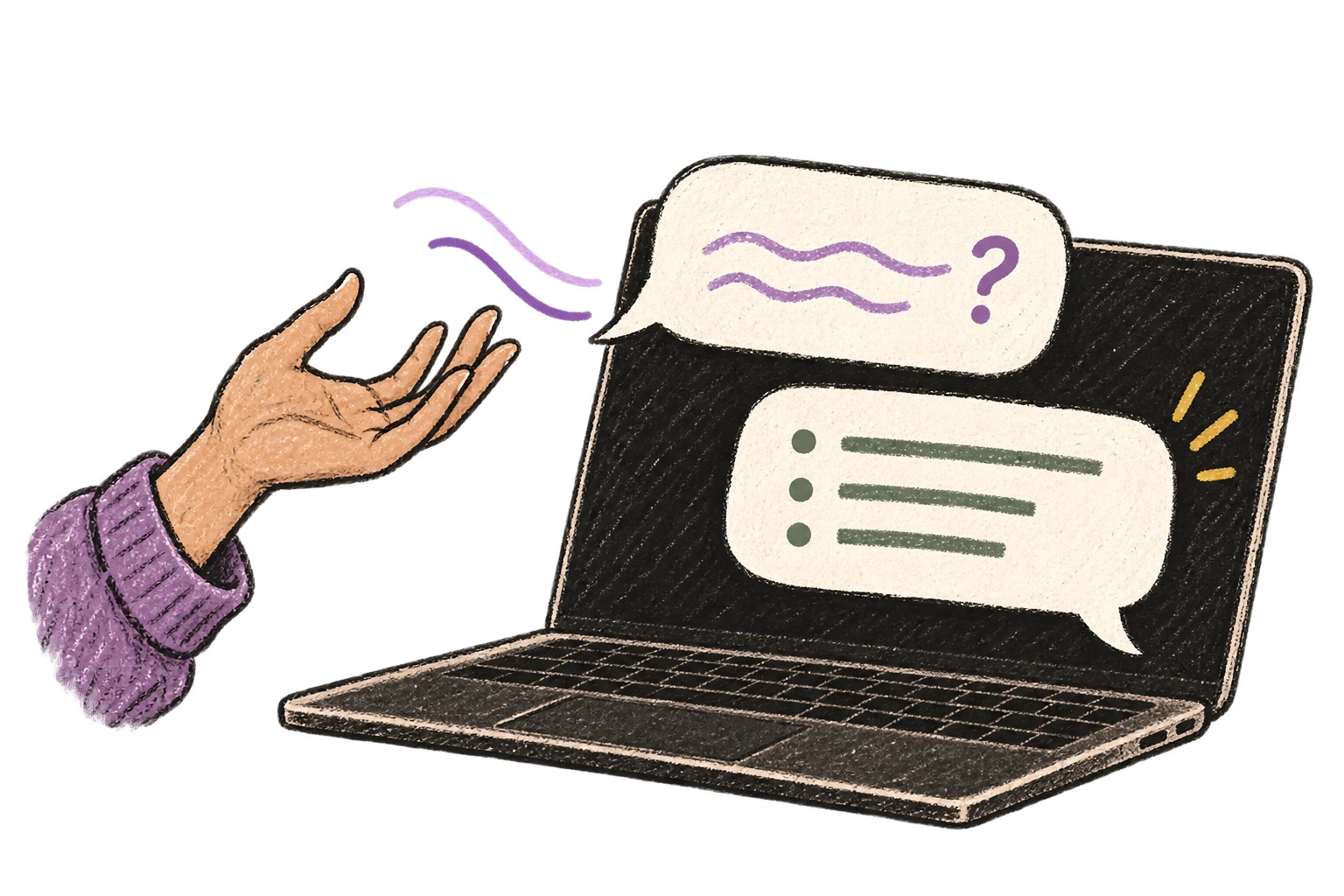
Transform text as you speak: 'Ottex start fix grammar Ottex end'. Edit, improve, translate—all by voice.

Say 'new paragraph', 'open quote', 'em dash', 'ellipsis'. Full formatting control by voice.

Say 'scratch that' to delete mistakes, 'actually' to rephrase. Fix errors without stopping your flow or touching the keyboard.

Dictate prompts to ChatGPT, Claude, Perplexity—anywhere you type. Better prompts, better answers.
Ottex detects which app you're in and adapts. Coding mode in Cursor, casual tone in Slack, professional in Gmail—automatic context switching.

Optionally let AI see your screen for smarter responses. Reply to emails with full context, answer messages knowing the conversation history.

Define custom text replacements and shortcuts. Say 'work signature' to expand your full email signature, or 'my address' for your contact info.

Start recording with Option+D, use Push-to-Talk, or cancel with Esc. All shortcuts are fully configurable.

System-wide on macOS—Ottex works wherever you can type. No app-specific integrations needed.
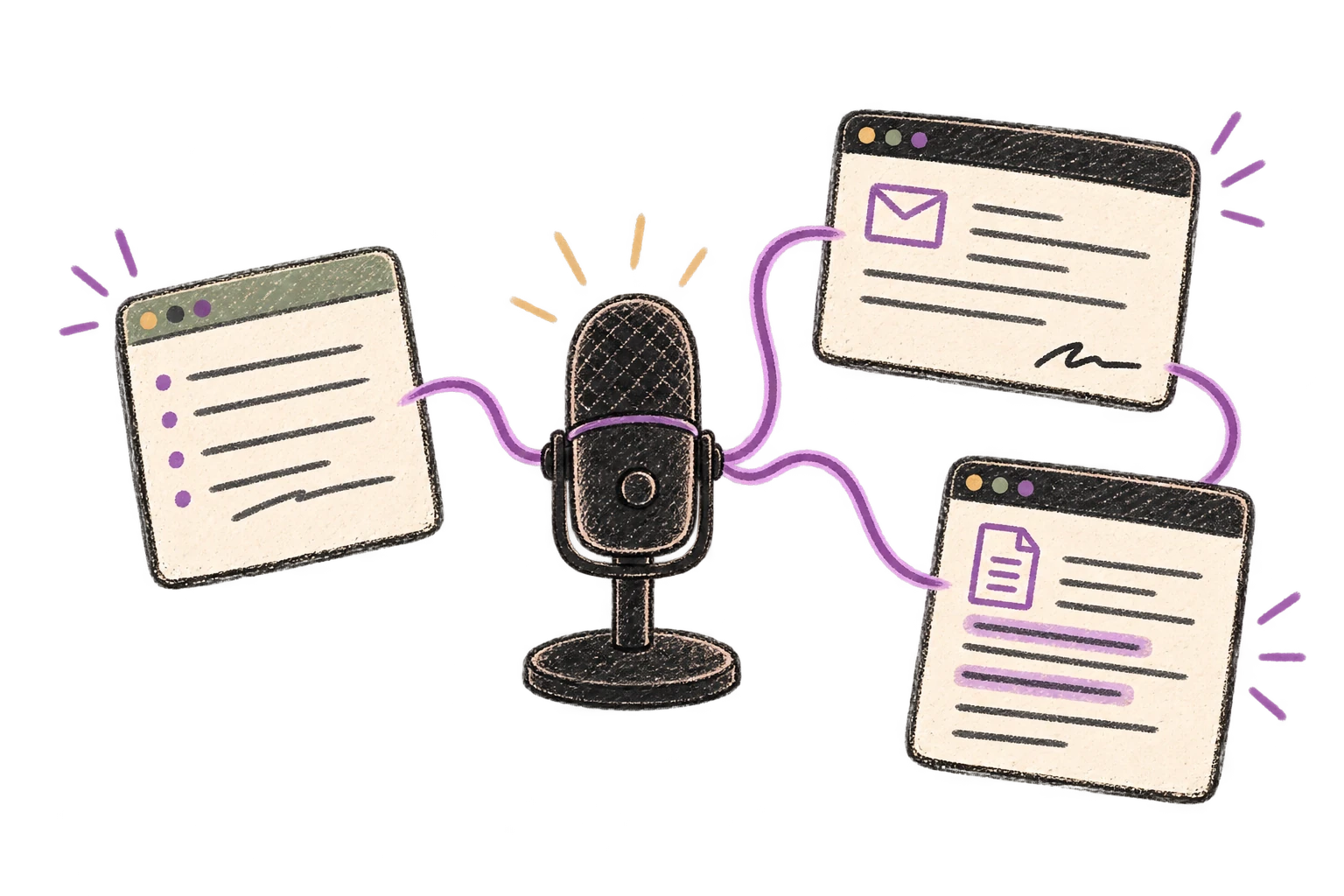
Automatically removes filler words like 'um', 'uh', 'like', 'so' from your transcription. Get clean, professional text without verbal hesitations.

Dictate technical documentation, READMEs, or API docs. Speaking lets you explain context, edge cases, and examples naturally—better docs with less effort.
Works with
Read this example aloud, or say something of your own.
Say 'new paragraph', 'bullet point', 'open quote' and get exactly what you mean. Full formatting control without touching the keyboard.
Read this example aloud, or say something of your own.
Dictate prompts to ChatGPT, Claude, Perplexity, or any AI chatbot. Speaking naturally lets you give more context—better context means better results.
Read this example aloud, or say something of your own.
Reply to Slack messages 3x faster. Dictate casual updates, detailed explanations, or quick acknowledgments without switching context.
Read this example aloud, or say something of your own.
Reply to YouTube comments, Twitter threads, or social media mentions by voice. Stay engaged with your audience without the typing fatigue.
Works with
Read this example aloud, or say something of your own.
Speak ideas the moment they hit you. Use Ottex anywhere to capture thoughts, then refine them later.
Works with
Read this example aloud, or say something of your own.
Yes. Cloud models like Gemini 3 Flash are trained on technical documentation and handle terms like REST, GraphQL, OAuth, JWT, and HTTP methods accurately. For project-specific endpoint names and custom parameters, add them to your custom dictionary once and Ottex transcribes them correctly every time.
Say 'code block' to start a code section, then dictate your example. Say 'end code block' when done. You can also say 'backtick' for inline code, 'open curly brace', 'close bracket', and other syntax elements. Formatting commands give you the structure you need without leaving your flow.
Ottex works system-wide on macOS, so it works in any text field—Swagger Editor, Postman documentation, Notion, GitHub wikis, GitBook, Confluence, or wherever you write. Same hotkey everywhere.
Yes. Dictate code samples naturally: 'const client equals new API client open paren api key close paren semicolon.' For complex examples, dictate the logic and variable names, then clean up syntax manually. Many writers find dictating the structure and comments is faster than typing everything.
Many API doc writers use ChatGPT or Claude to draft endpoint descriptions and examples. Speaking your prompts means you provide more context naturally—'I need documentation for the user authentication endpoint, it takes email and password, returns a JWT with refresh token, and can return 400, 401, or 429 errors.' Better prompts mean better AI output.
Cloud models handle standard API terminology well: REST, GraphQL, webhooks, OAuth, API keys, rate limiting, pagination, etc. For company-specific terms (your API's endpoint names, custom headers, internal service names), use the custom dictionary feature.
Download free. Dictate endpoint docs, integration guides, and SDK references naturally.
Try for freeNo credit card required.