3x Faster Than Typing
Speak 150+ words per minute vs 40 wpm typing. Finish tasks in a third of the time.

Document architecture decisions. Ship design clarity.
Read this example aloud, or say something of your own.
Your voice. Right where you work.
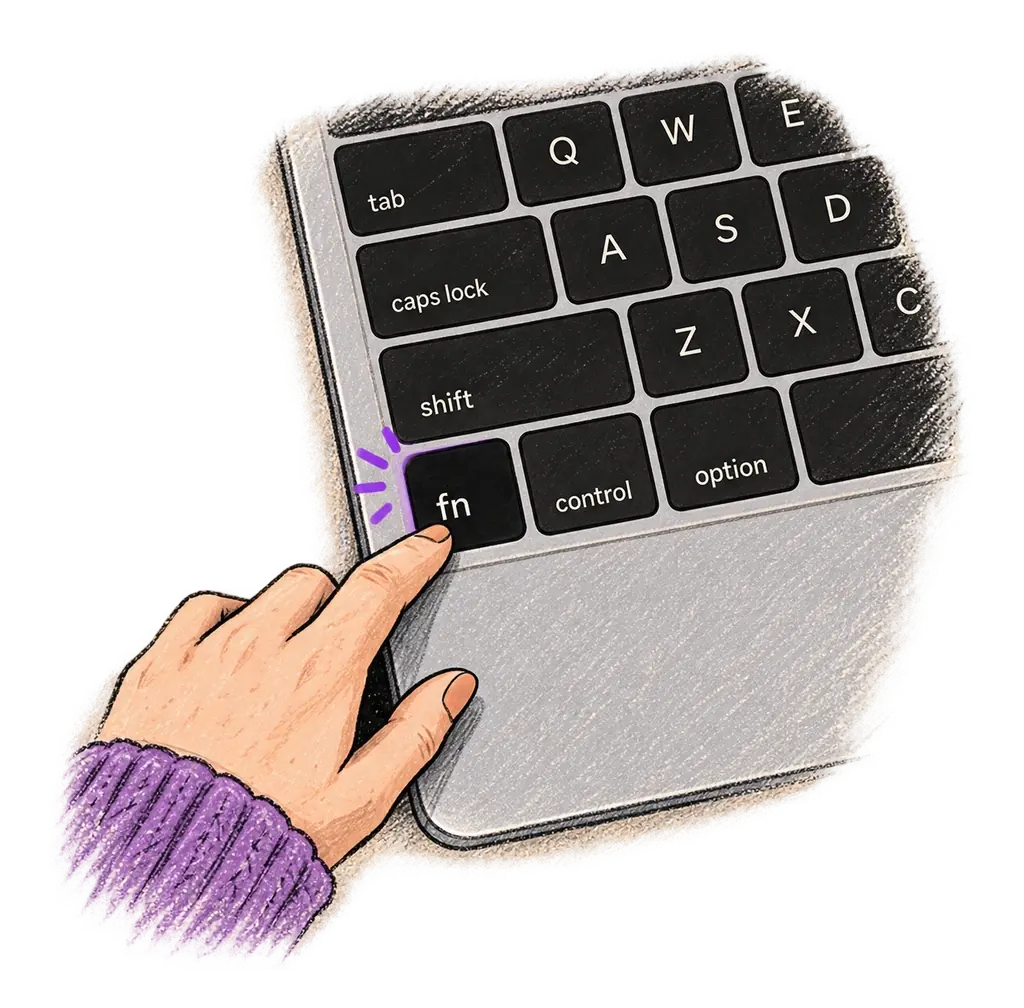
Place your cursor in any app, then hold the Fn key.
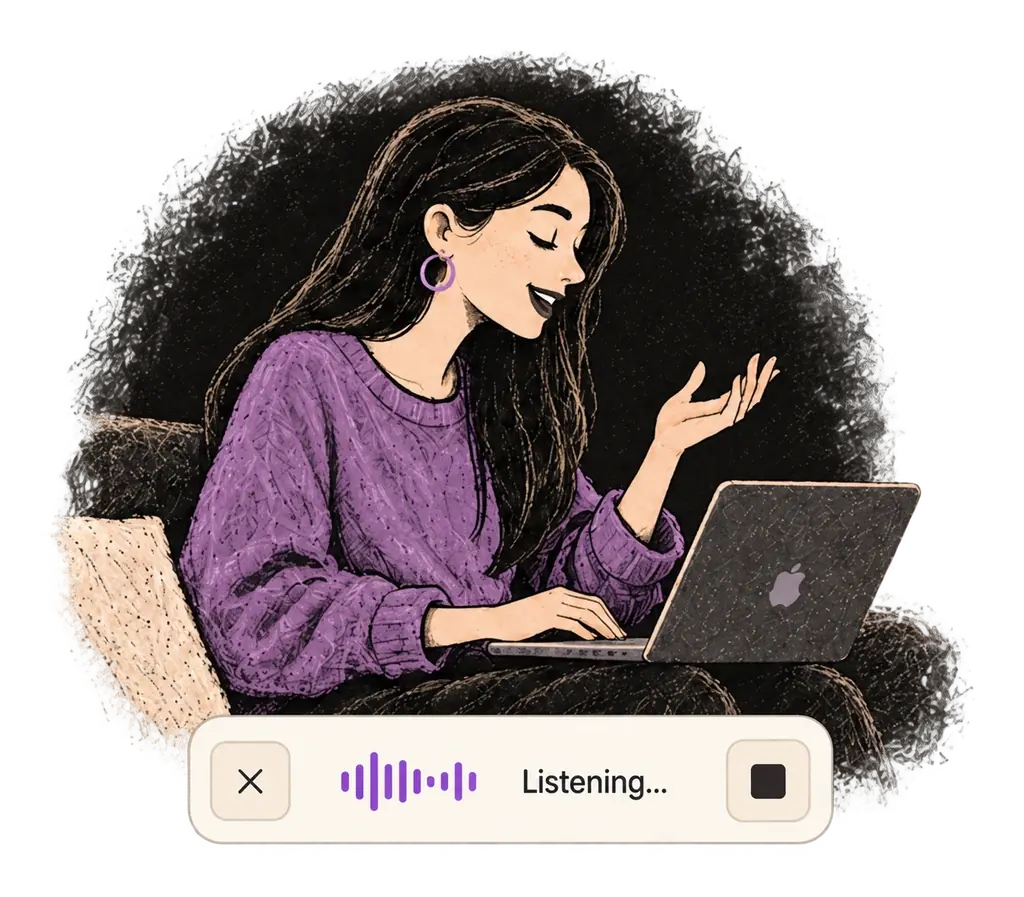
Say what you want to write. Ottex follows your saved writing rules.
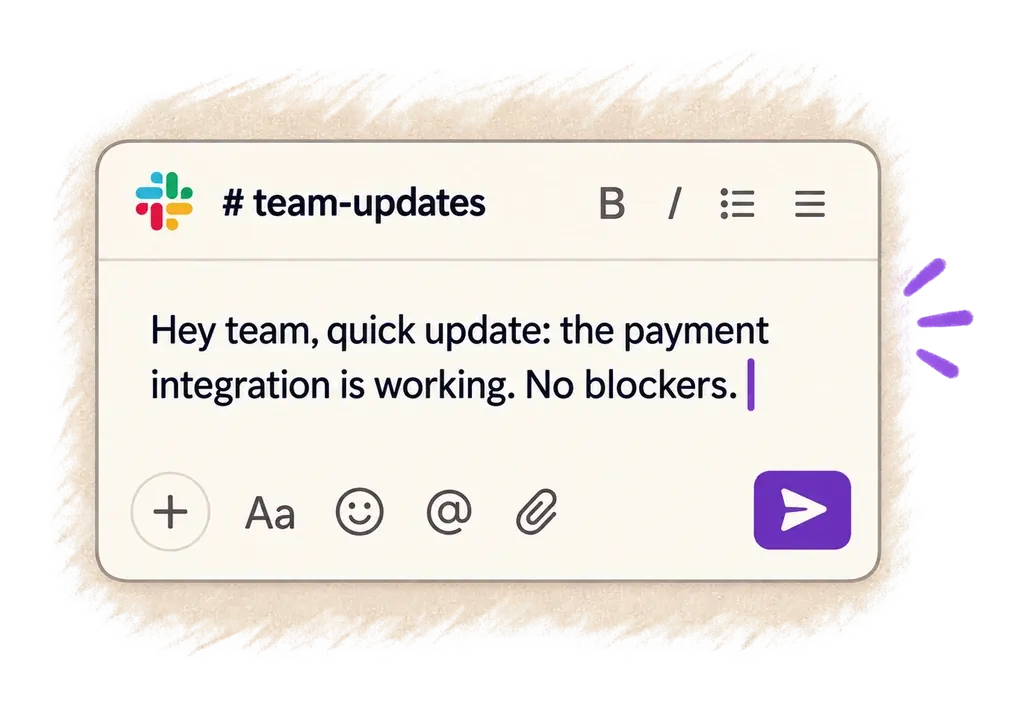
Your text appears right where your cursor is.
Ottex works system-wide on macOS. Dictate directly into these apps and more.
And any other app that accepts text input. See all supported apps
Concrete benefits with real-world impact
Speak 150+ words per minute vs 40 wpm typing. Finish tasks in a third of the time.
Speaking naturally gives AI agents more context than typing. Describe your intent, explain edge cases, mention file names—your voice carries nuance that typing shortcuts.
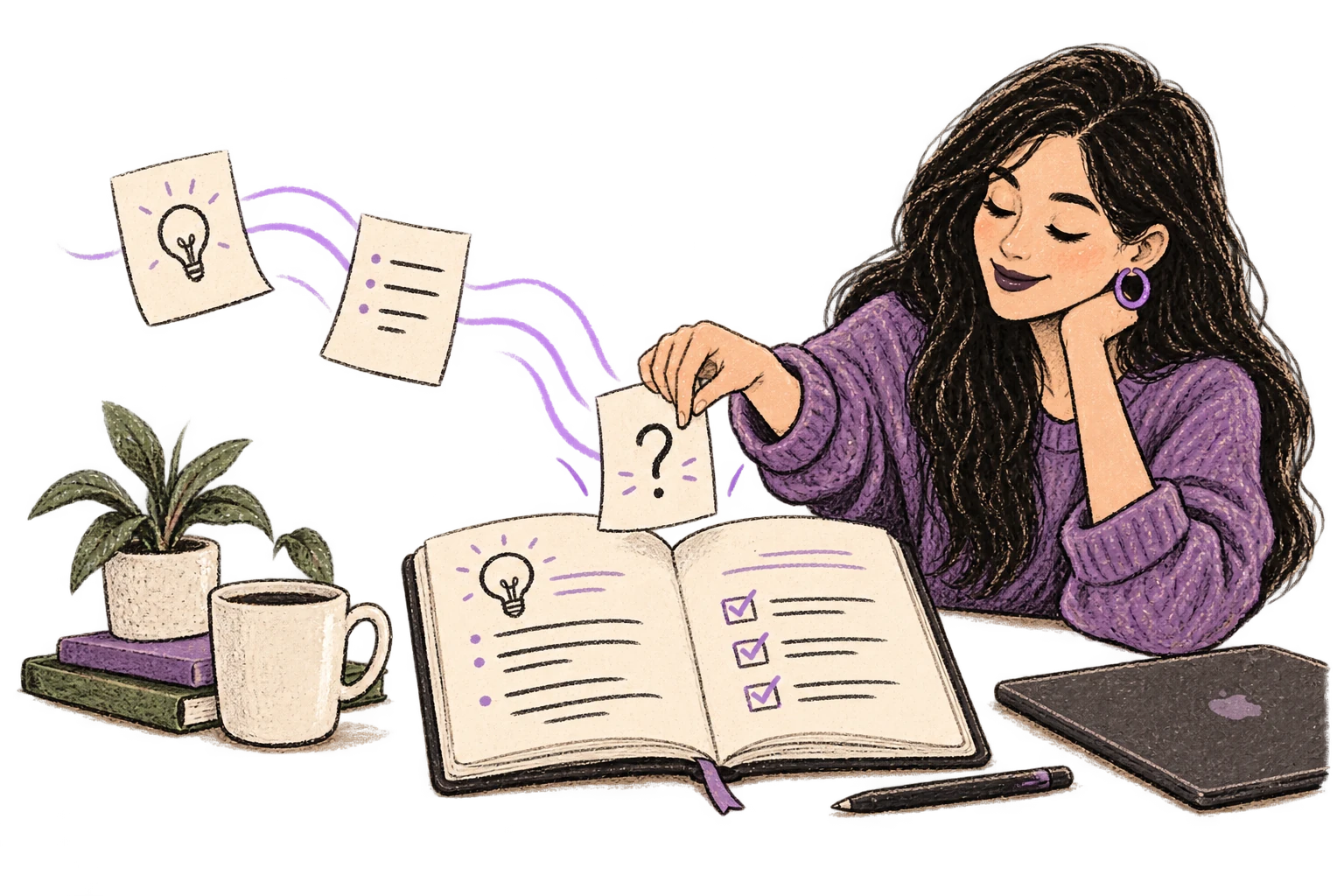
Cloud AI models excel at technical jargon, code terminology, and specialized vocabulary.
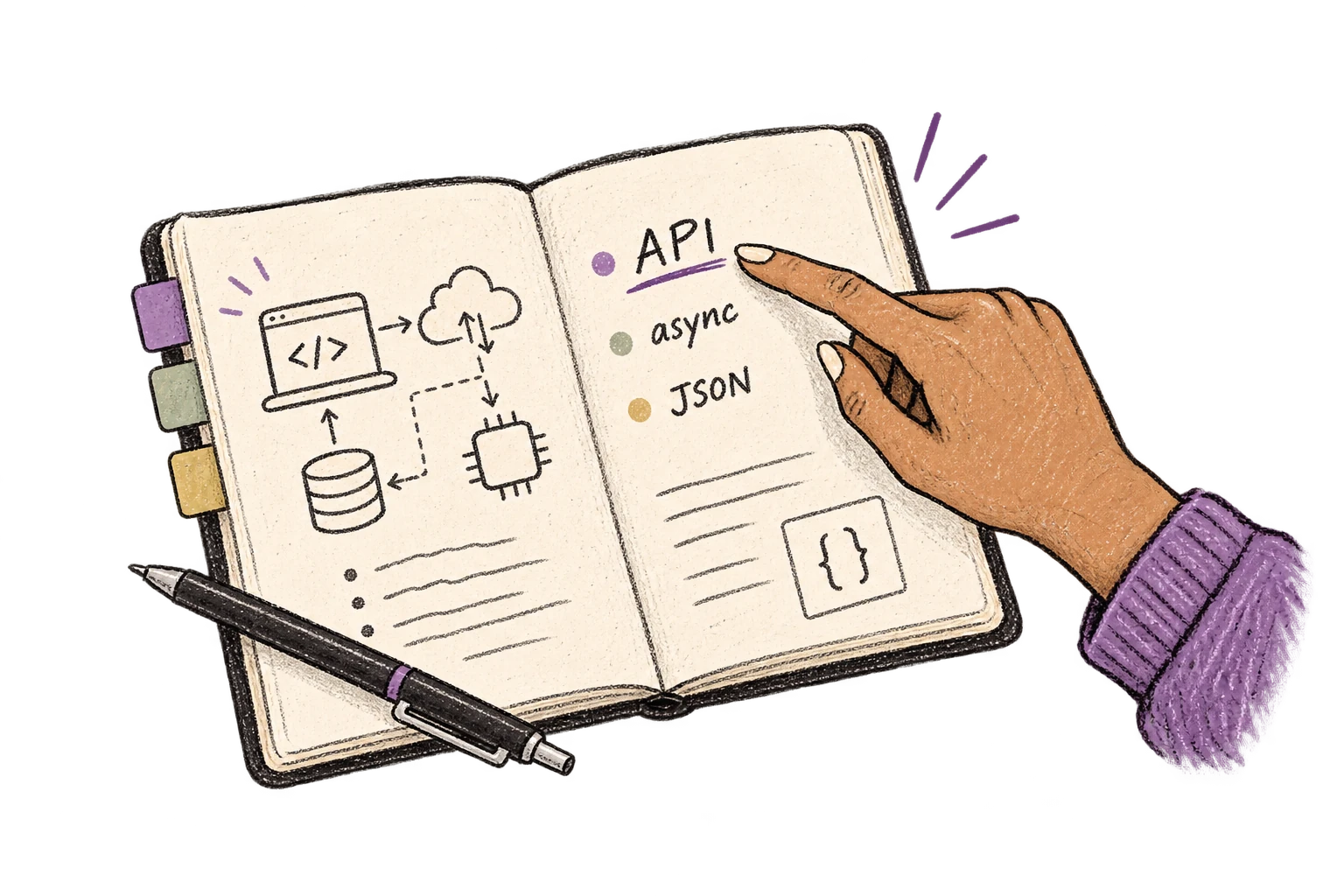
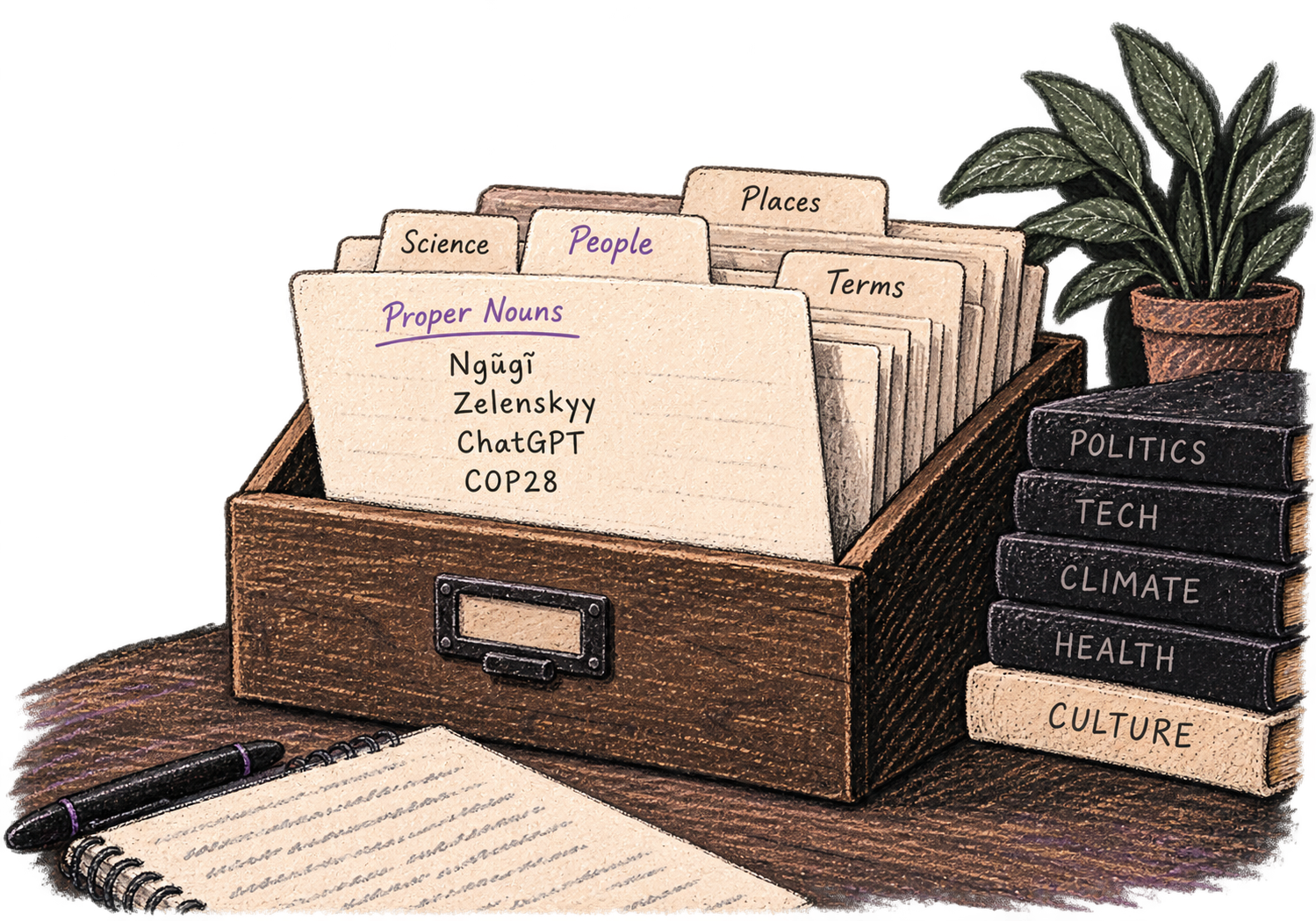
Add names, technical terms, and jargon. Ottex transcribes them accurately every time.
Transform text as you speak: 'Ottex start fix grammar Ottex end'. Edit, improve, translate—all by voice.
Say 'new paragraph', 'open quote', 'em dash', 'ellipsis'. Full formatting control by voice.

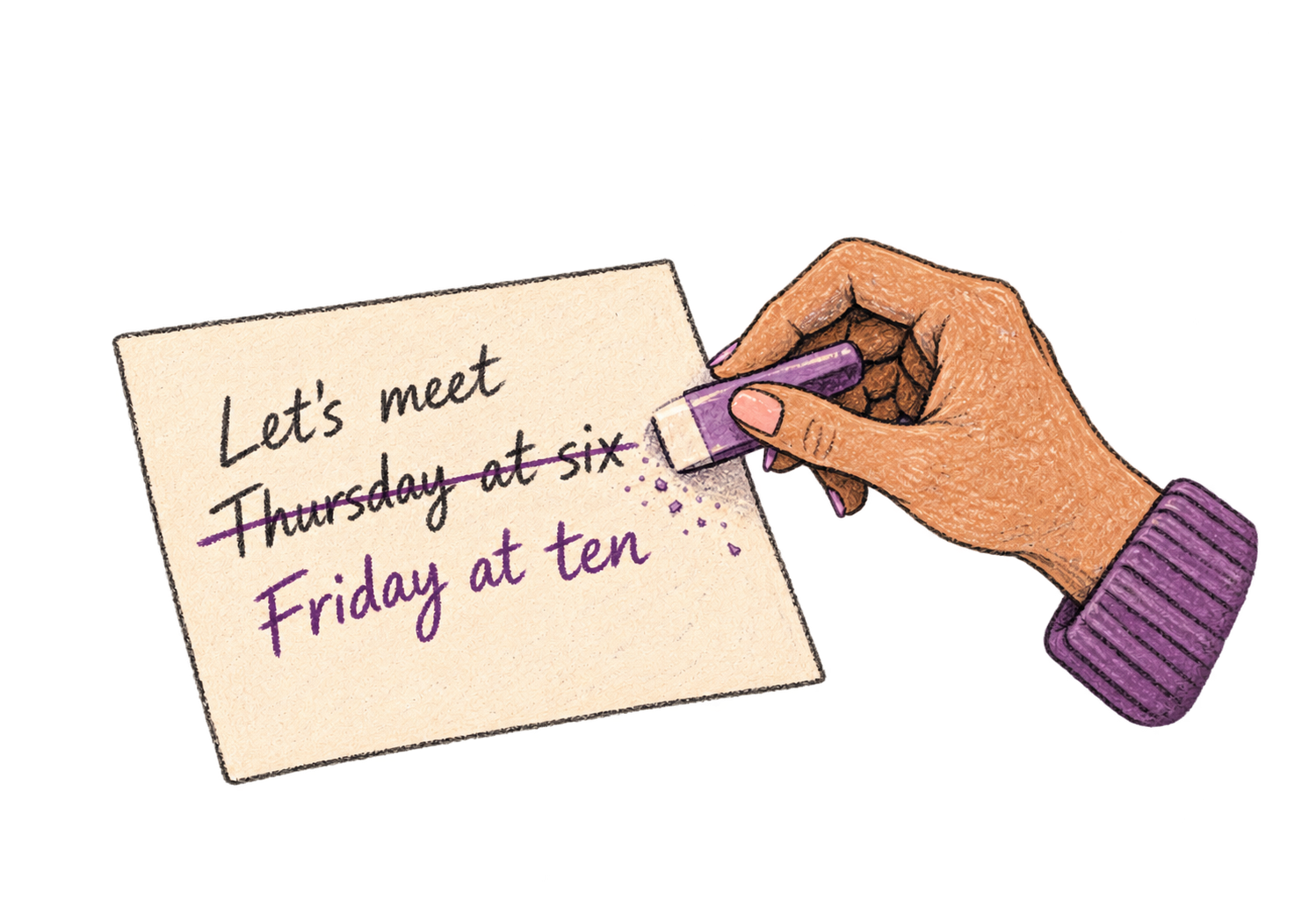
Say 'scratch that' to delete mistakes, 'actually' to rephrase. Fix errors without stopping your flow or touching the keyboard.
Dictate prompts to ChatGPT, Claude, Perplexity—anywhere you type. Better prompts, better answers.
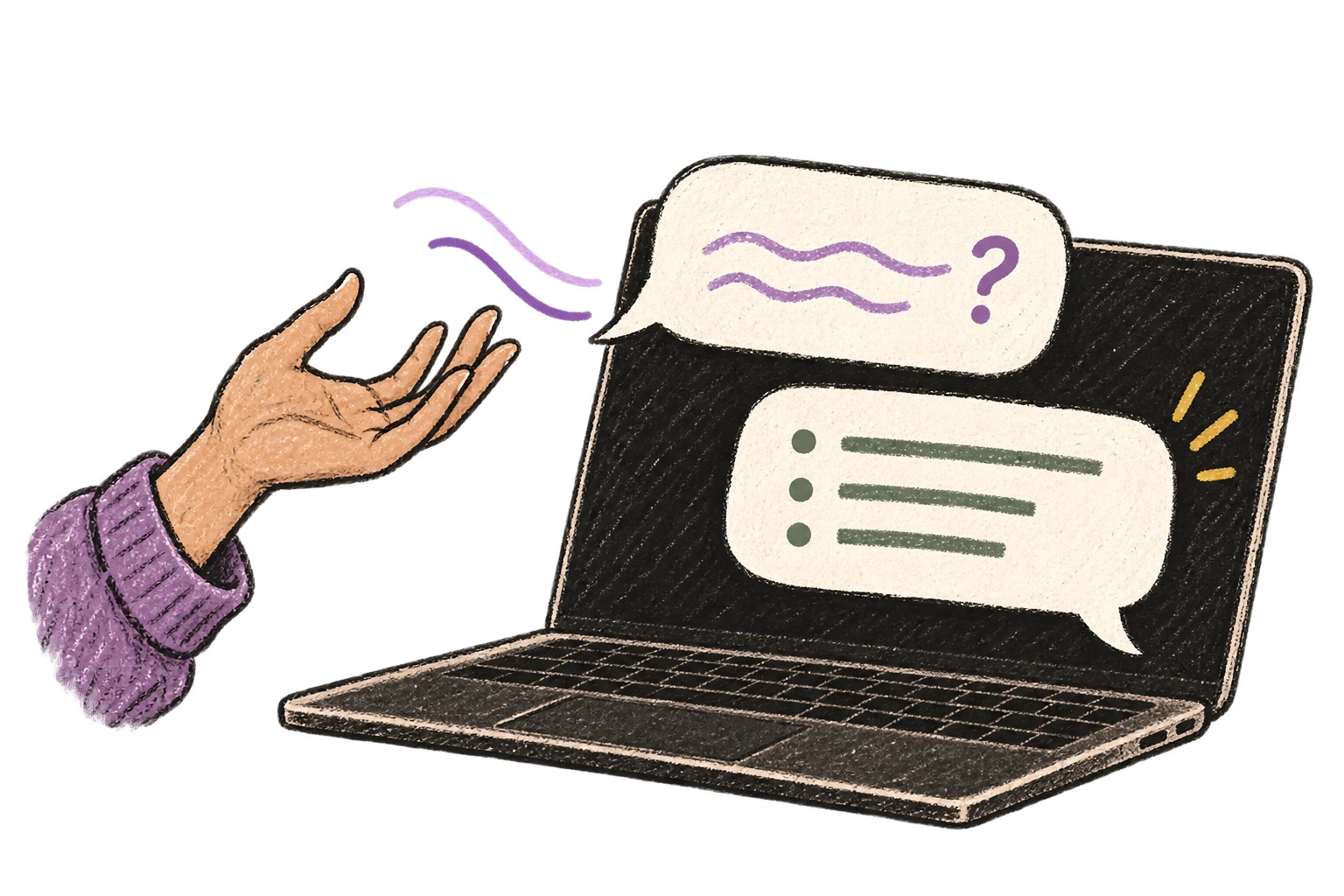
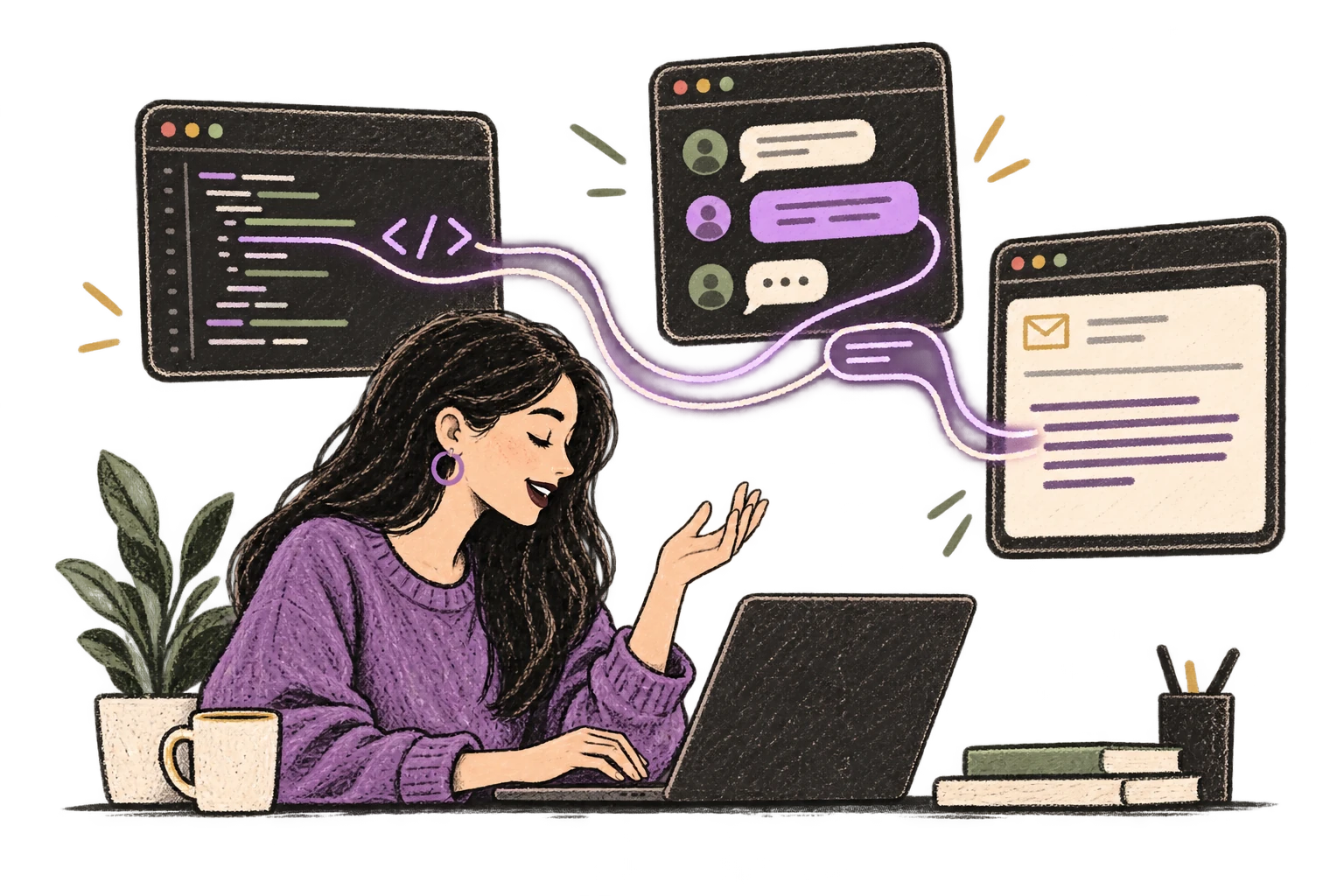
Ottex detects which app you're in and adapts. Coding mode in Cursor, casual tone in Slack, professional in Gmail—automatic context switching.
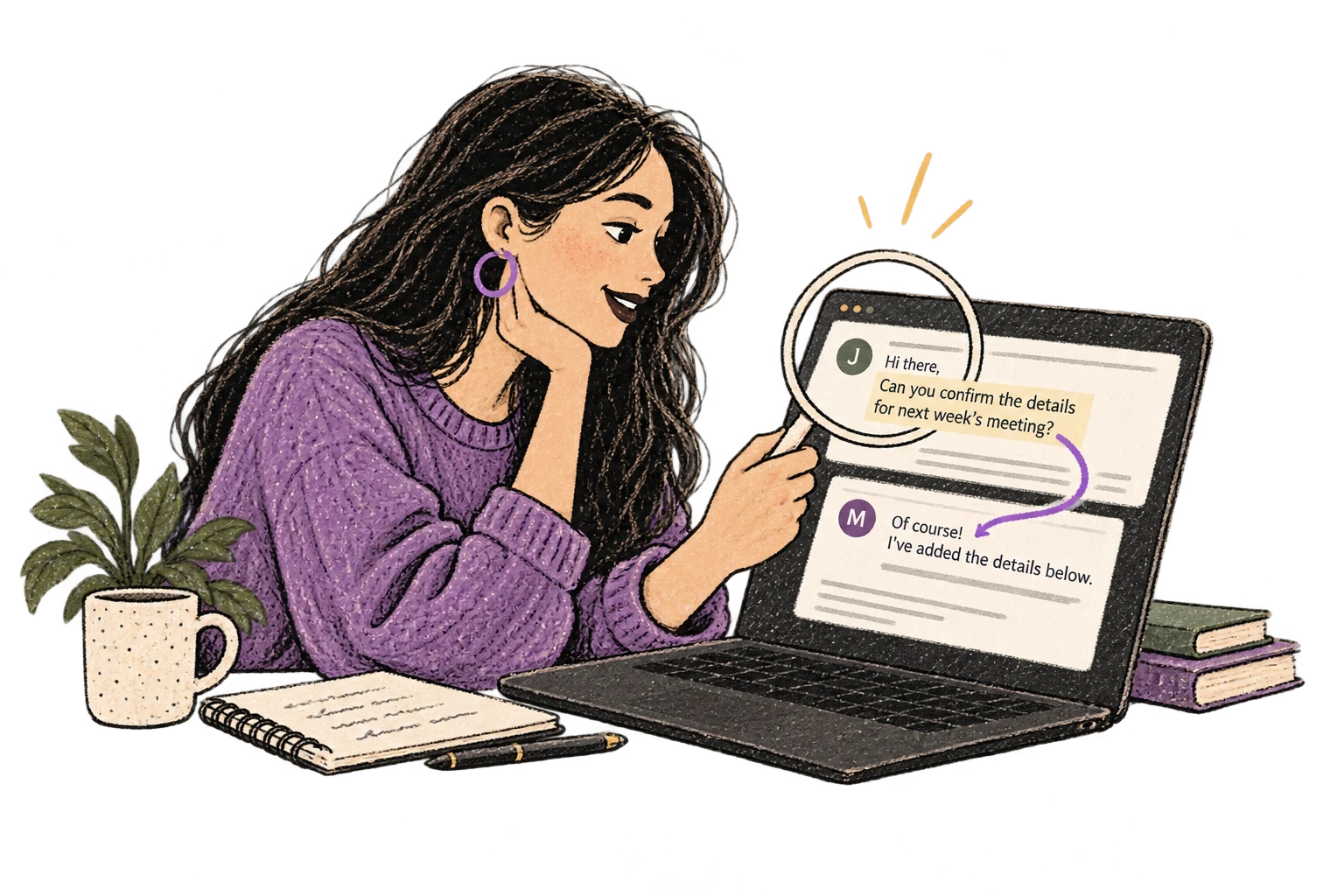
Optionally let AI see your screen for smarter responses. Reply to emails with full context, answer messages knowing the conversation history.
Define custom text replacements and shortcuts. Say 'work signature' to expand your full email signature, or 'my address' for your contact info.

Start recording with Option+D, use Push-to-Talk, or cancel with Esc. All shortcuts are fully configurable.
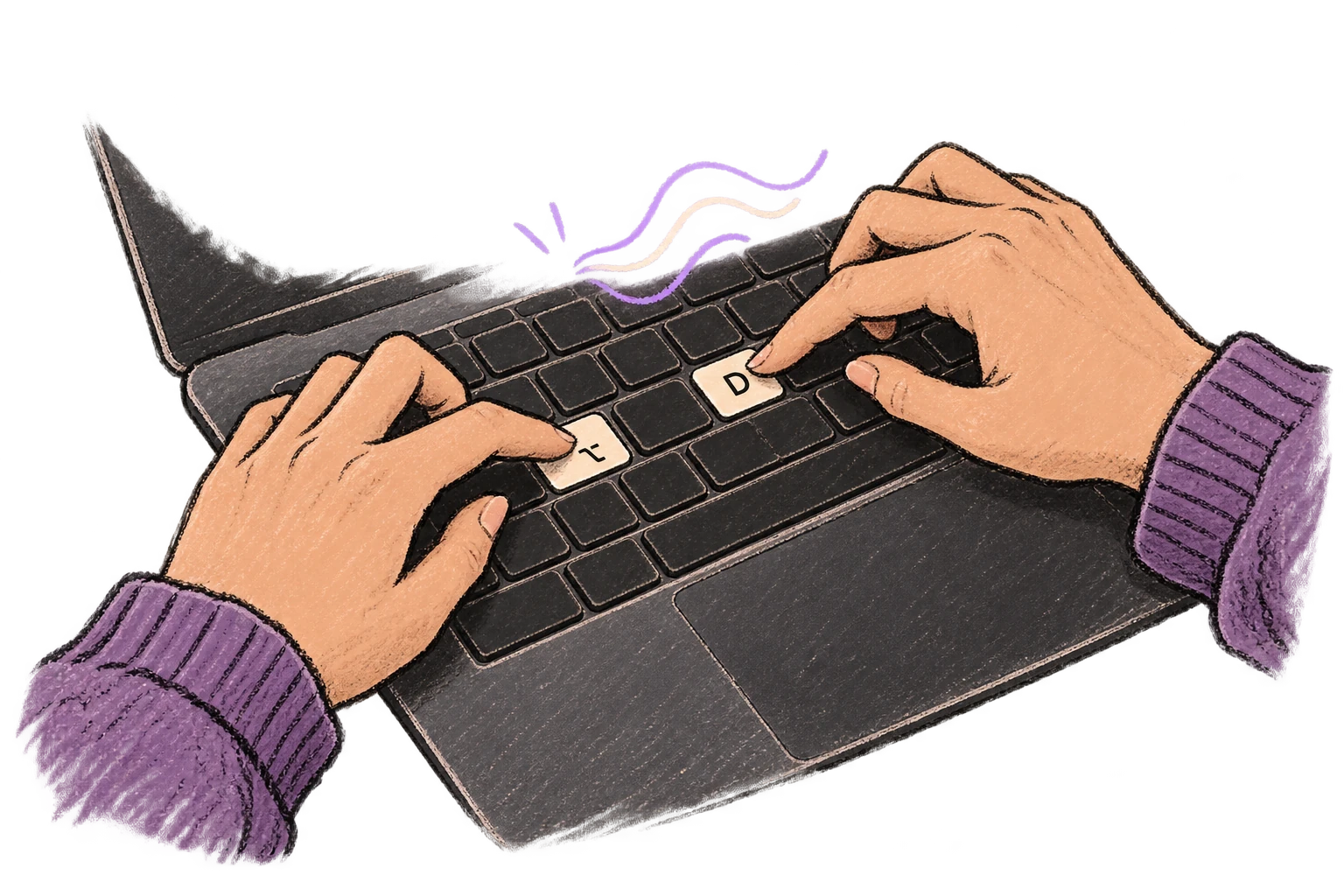
System-wide on macOS—Ottex works wherever you can type. No app-specific integrations needed.
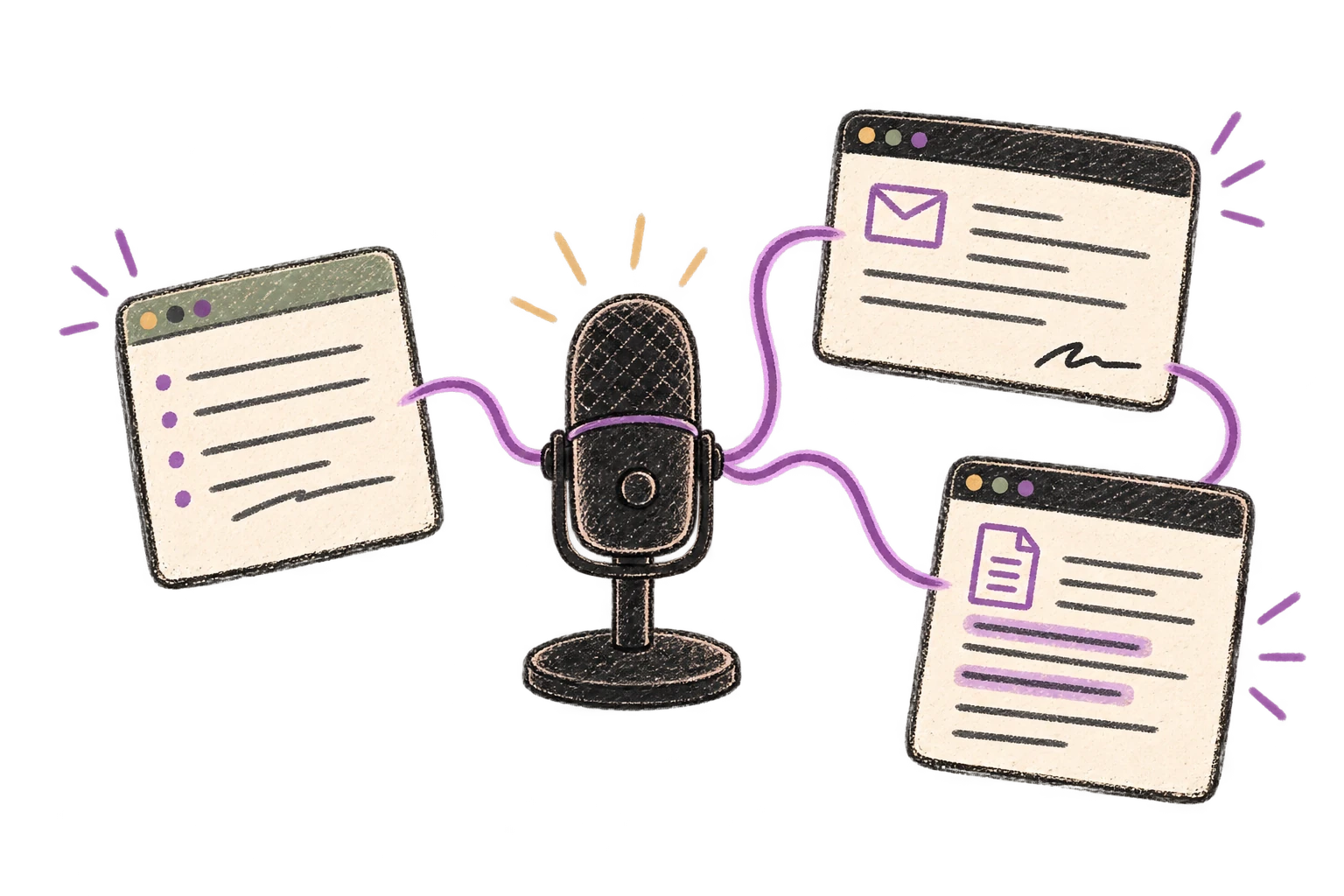
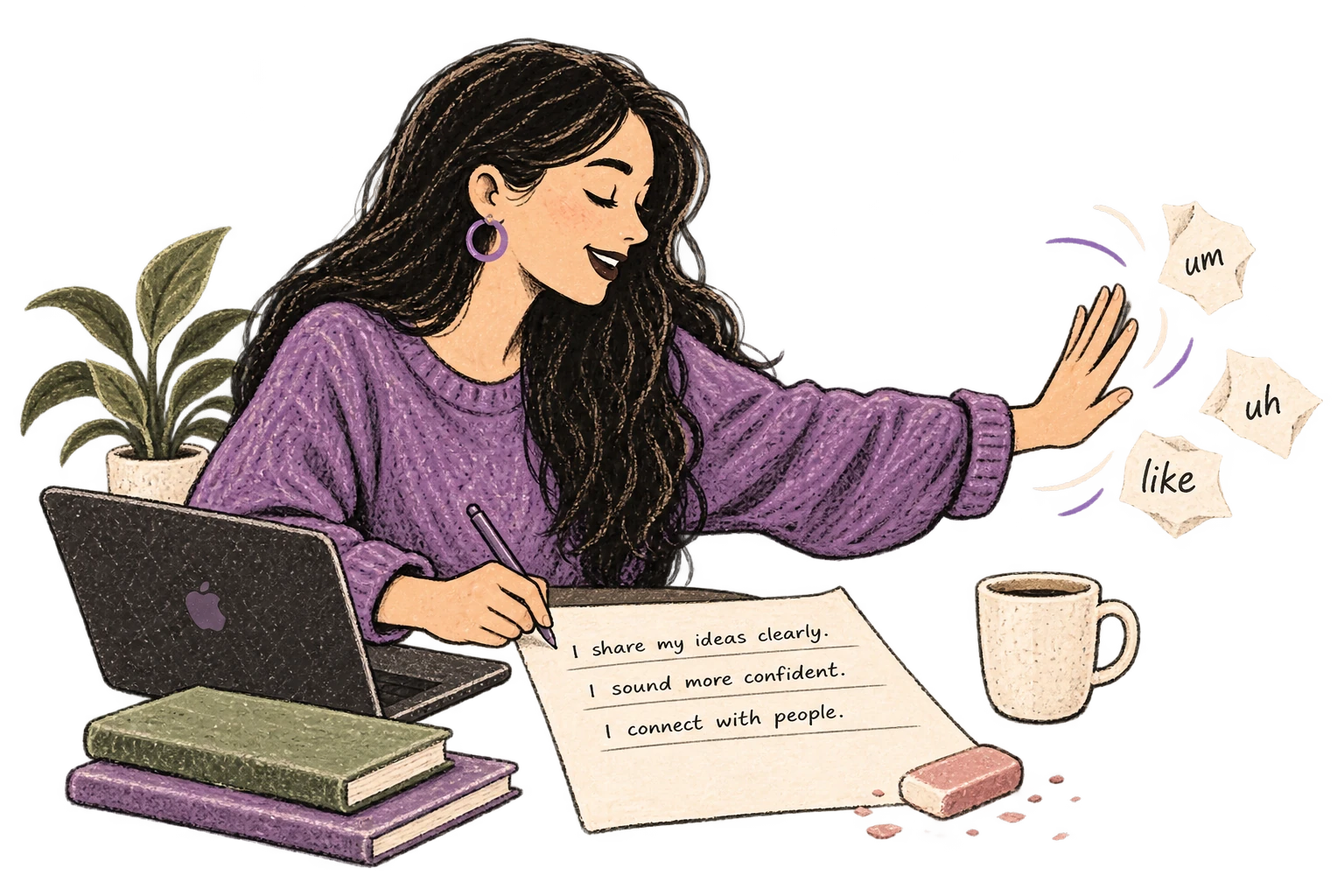
Automatically removes filler words like 'um', 'uh', 'like', 'so' from your transcription. Get clean, professional text without verbal hesitations.
Dictate technical documentation, READMEs, or API docs. Speaking lets you explain context, edge cases, and examples naturally—better docs with less effort.
Works with
Read this example aloud, or say something of your own.
Dictate product requirements, feature specs, or design docs. Speaking lets you explain the full context—edge cases, user flows, and rationale—naturally.
Works with
Read this example aloud, or say something of your own.
Dictate prompts to ChatGPT, Claude, Perplexity, or any AI chatbot. Speaking naturally lets you give more context—better context means better results.
Read this example aloud, or say something of your own.
Reply to Slack messages 3x faster. Dictate casual updates, detailed explanations, or quick acknowledgments without switching context.
Read this example aloud, or say something of your own.
Dictate meeting notes in real-time or right after. Capture action items, decisions, and key points while they're fresh in your mind.
Works with
Read this example aloud, or say something of your own.
Speak ideas the moment they hit you. Use Ottex anywhere to capture thoughts, then refine them later.
Works with
Read this example aloud, or say something of your own.
Dictate email responses with the right tone. Use context awareness to see the full thread, then speak your reply naturally.
Read this example aloud, or say something of your own.
Dictate Jira tickets, Linear issues, or Asana tasks. Speak the context, acceptance criteria, and details—then move on.
Read this example aloud, or say something of your own.
Yes. Cloud models like Gemini 3 Flash are trained on technical documentation and understand architecture patterns: event sourcing, CQRS, saga patterns, circuit breakers, service mesh, API gateways, CAP theorem, and more. For your organization's specific service names and internal terminology, add them to the custom dictionary.
Yes. Use local Whisper models for 100% offline transcription—nothing leaves your Mac. For cloud transcription, BYOK means audio goes directly to your API provider using your key, not through Ottex servers. You control the privacy level for infrastructure details, security considerations, and strategic documents.
Yes. Push-to-Talk mode lets you capture specific decisions without continuous recording. When the team makes a decision, tap your hotkey, speak the decision and rationale, release. You stay present in the discussion while building documentation in real-time.
Yes, Ottex works system-wide on macOS—anywhere you can type. Write RFCs in Confluence, design docs in Notion, ADRs in GitHub, add annotations in Miro. No special integrations needed.
Speaking your prompts to ChatGPT or Claude includes more context naturally. You explain constraints, trade-offs, team capabilities, and historical decisions—details you'd skip while typing. More context means better AI analysis and recommendations for your architecture decisions.
Yes. Say commands like 'H2 context', 'bullet point', 'numbered list', 'new paragraph'. Ottex gives you formatting control by voice. ADRs, RFCs, and design docs come out properly structured without fighting with keyboard shortcuts.
Free with local models (Whisper runs on your Mac). With BYOK, most architects spend $2-4/month using Gemini 3 Flash or Groq. Compare that to enterprise documentation tools at $15-30/month per user. Heavy usage (daily design reviews, multiple RFCs per week) might hit $5-6/month.
You've been speaking since age one—20+ years of practice. Speaking is automatic, effortless. When you explain an architecture decision out loud, you naturally include context, trade-offs, and reasoning. Typing requires concentration and you skip details because typing them is tedious. The result: more thorough documentation in less time.
Download free. Use local models for private architecture docs, or add your API key for cloud transcription.
Try for freeNo credit card required.